
Staffs
Prof. Chao-Gan Yan

Dr. Chao-Gan Yan is a professor in the Department of Psychological and Cognitive Sciences at Tsinghua University. He has been recognized as an Elsevier Highly Cited Chinese Researcher (2019-2023) and one of Stanford’s Top 2% of Scientists worldwide. He was awarded the 2021 Early Career Investigator Award by The Organization for Human Brain Mapping (OHBM) and the Second Prize of Natural Science Award of Beijing Municipal Science and Technology Awards (First Recipient). He earned his bachelor's degree from the University of Science and Technology Beijing in 2006 and his Ph.D. from Beijing Normal University in 2011. He then pursued postdoctoral research in the United States, serving as a Research Scientist at the Nathan Kline Institute for Psychiatric Research and as a Research Assistant Professor in the Department of Child and Adolescent Psychiatry at New York University. In 2015, he joined the Institute of Psychology at the Chinese Academy of Sciences as a professor. In 2024, he joined Tsinghua University as a tenured professor in the Department of Psychological and Cognitive Sciences. Dr. Yan's research focuses on brain imaging technology and methods, with a commitment to developing precision diagnostics and treatment for depression based on brain imaging. His key contributions include: 1) Proposing highly reliable brain imaging computational methods and correction solutions, and developing standardized brain imaging analysis platforms (DPARSF/DPABI/DPABISurf/DPABIFiber/DPABINet, cited over 6,000 times). He is working to establish a brain imaging reference model for the Chinese population (RESTING) that can detect individualized abnormalities in brain diseases; 2) Tackling the issue of high heterogeneity in small-sample brain imaging studies on depression by innovating an open large-scale team collaboration model. He founded the Depression Imaging REsearch ConsorTium (DIRECT) and, based on large-scale multi-center data, identified reliable abnormal brain imaging patterns in depression patients. He proposed a new hypothesis for default network intervention in depressive rumination and developed a brain imaging-guided algorithm for personalized transcranial magnetic stimulation (TMS) interventions in depression. Through the "Mind Flower" depression research and intervention project, he aims to propose new psycho-physical comprehensive intervention strategies for depression; 3) Developing the Think-Aloud fMRI research paradigm to study spontaneous brain activity and thought, combining it with deep learning models in natural language processing to decode human spontaneous thinking. He aims to create an fMRI-based "mind-reading" paradigm and build large models that simulate brain activity and thought (digital immortality). Dr. Yan has published over 100 academic papers in international mainstream journals such as PNAS, Science Bulletin, and Molecular Psychiatry, with more than 50 as the first or corresponding author. His work has garnered significant attention from the international scientific community, with over 22,000 citations and an h-index of 47 (Google Scholar). Six of his first or corresponding author papers have been listed as ESI Highly Cited Papers, with one ranking in the top 0.01%, and two in the top 0.1%, while three have been cited over 1,000 times individually. He currently serves as an Handling Editor of Imaging Neuroscience.
Affiliated Staffs
Xiao Chen

chenxiao@psych.ac.cn
Xiao is a research assistant professor working with Prof. Chao-Gan Yan at the R-fMRI Lab. He is now also a visiting postdoctoral fellow at The Centre for Addiction and Mental Health (CAMH). He completed his doctoral studies at the Institute of Psychology after receiving a Master’s in 2016. Before graduate school, he received a Bachelor’s in Applied Psychology from Chongqing University. Xiao’s research interests are the neural mechanism of rumination and potential neuromodulation therapy for it. He developed a novel “rumination state” paradigm and investigated the network mechanism of this psychological process. Xiao’s current work includes exploring rumination’s intracranial EEG features and characterizing symptom trajectories of depressive patients undergoing transcranial magnetic stimulation (TMS).
Bin Lu

Dr. Bin Lu is a postdoc in Prof. Yan’s Lab. He got bachelor’s degree in aircraft design and engineering from northwestern polytechnical university and got Ph.D. in cognitive neuroscience from Institute of Psychology, CAS. His research interest is the application of MRI on brain disorders.
Xue-Ying Li
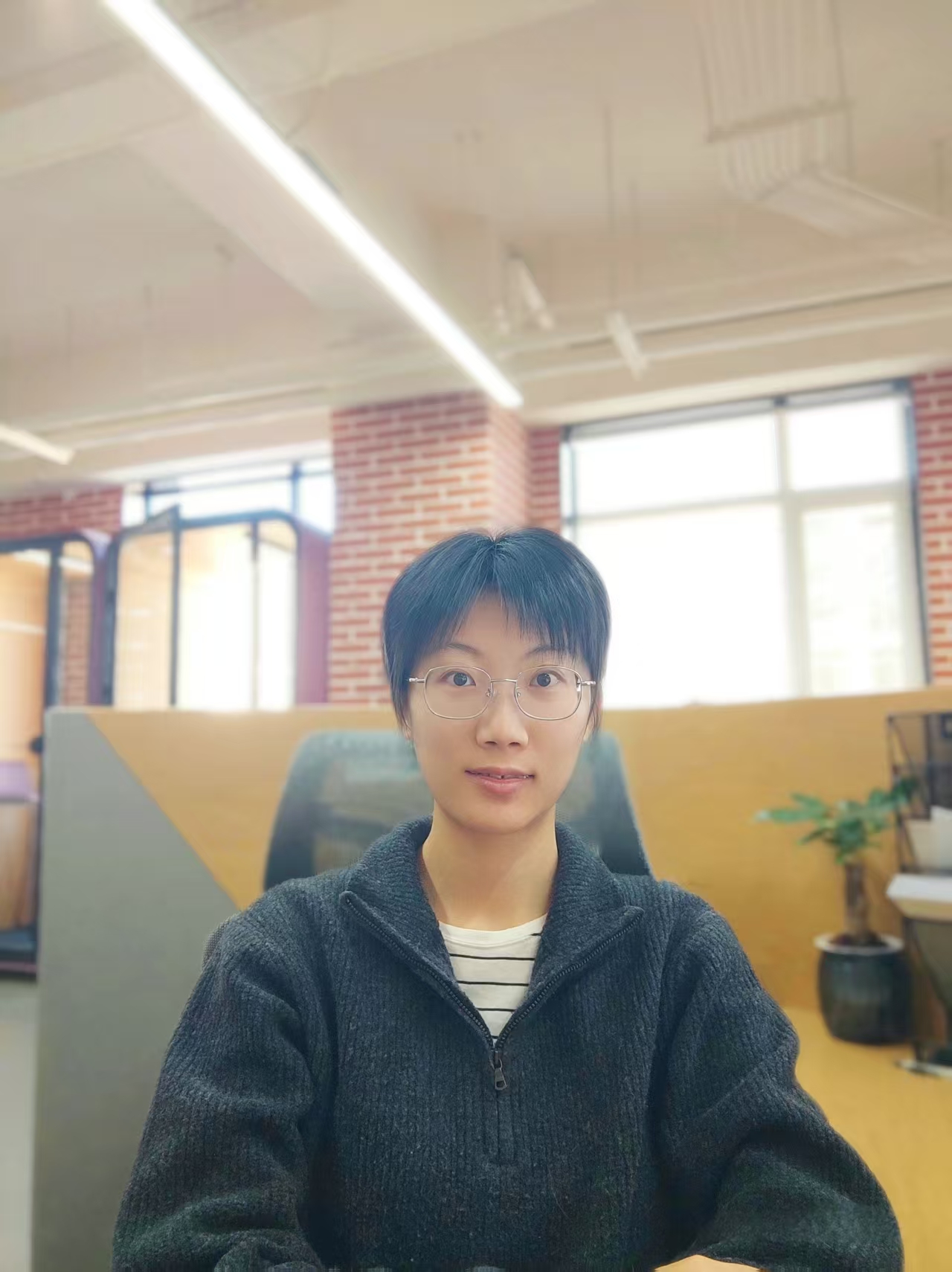
Xue-Ying is a postdoctoral fellow in Prof. Yan’s lab. She obtained her Ph.D. in Cognitive Neuroscience from IPCAS, and her Master’s degree in Neuroscience and Neuroimaging from Aarhus University. Her research interests include identifying biotypes of depression using brain imaging big data and brain-function-symptom integration approaches, and exploring symptom-brain relationships in mental disorders within clinical diagnostic and neuroscientific frameworks.
PhD students
Zi-Han Wang

Zi-Han is a Ph.D. candidate in Prof. Yan's lab. She completed her undergraduate studies in Internet of Things engineering at Beijing University of Technology and was recommended to pursue a master's degree in computer science and technology at the same university in 2018. Her primary research interest lies in decoding brain imaging using deep learning models, focusing on decoding mental states from fMRI using various deep learning and traditional machine learning models. In the future, she aims to train larger models to decode broader linguistic information. She is also involved in data collection and processing for the Consortium for Chinese Resting-State Functional MRI Norm Reference (RESTING) and collaborates on depression research projects with the ENIGMA consortium.
Yi-Fan Liao

Yi-Fan is a Ph.D. candidate at Prof.Yan’s Lab. She received her Master of Research degree in Developmental Neuroscience and Psychopathology from University College London and Yale University.
Before starting her PhD, Yifan worked as a research assistant at Prof.Yan’s Lab and was in charge of running the Mindflower Research Project. This longitudinal multimodal research initiative focuses on the prevention and intervention of depressive disorder, aiming to identify objective biomarkers for precise diagnosis and treatment, explore culturally adaptive psychological interventions, and develop individualized, non-invasive neuromodulation therapies. Based on the findings of the Mindflower Project, we expect to establish an integrated platform for individualized and precise diagnosis, prevention, and intervention of depression.
As a PhD student, Yifan is continuing to work on the Mindflower Project. Her work primarily involves evaluating the clinical efficacy of different interventions with various methods (e.g., neuroimaging, cognitive-behavioral paradigms, questionnaires, clinical interviews, etc.), as well as exploring the neurocognitive mechanisms and psychological processes underlying the observed clinical effects.
Qing-Lin Gao
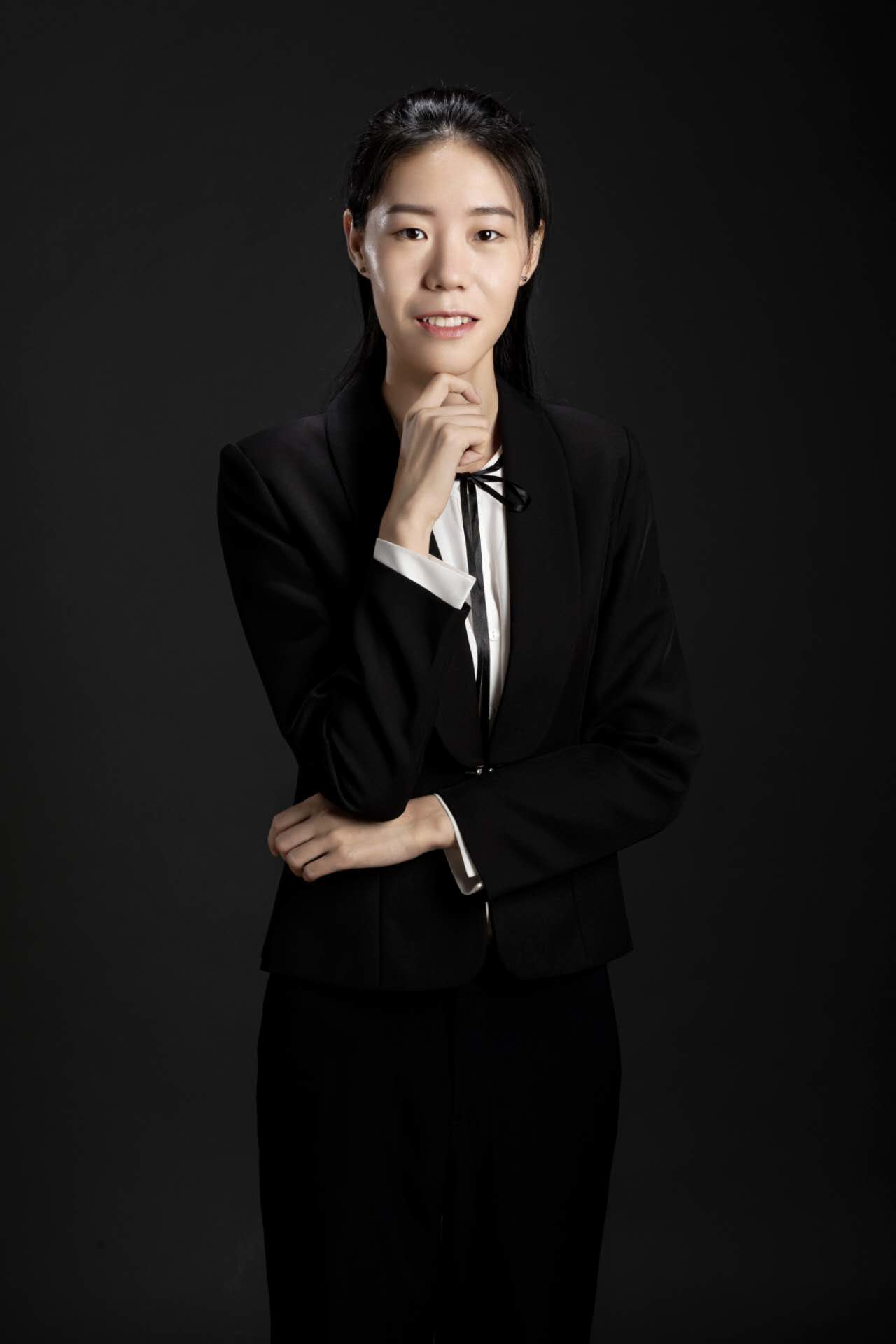
Qing-Lin is currently a second-year Ph.D. student in Professor Yan’s lab at the Institute of Psychology, Chinese Academy of Sciences. She earned dual master's degrees in science from the University of Chinese Academy of Sciences and Aarhus University at the Sino-Danish College of UCAS in 2020. After four years of work experience, she returned to academia to pursue her Ph.D. Her research focuses on understanding the dynamic yin-yang antagonistic mechanism between the Action Mode Network (AMN) and the Default Mode Network (DMN) in depression. By investigating this pathological mechanism, she aims to elucidate the heterogeneity of treatment responses to neuromodulation — particularly transcranial magnetic stimulation (TMS) — and to develop individualized precision interventions that can significantly improve clinical outcomes for patients with depression.
Zhengjiayi Hu

Hu is a graduate student in Prof. Yan’s Lab in the Institute of Psychology, CAS. She graduated from Nanjing Normal University and received a bachelor’s degree in Psychology in 2022. She is trying to explore the functional connectome gradient profile of rumination state and its abnormality in major depressive disorder (MDD). Additionally, she is interested in investigating the brain mechanisms and treatment of MDD using Magnetic Resonance Imaging (MRI), with a particular focus on Transcranial Magnetic Stimulation (TMS) treatment.
Ze-Di Lin
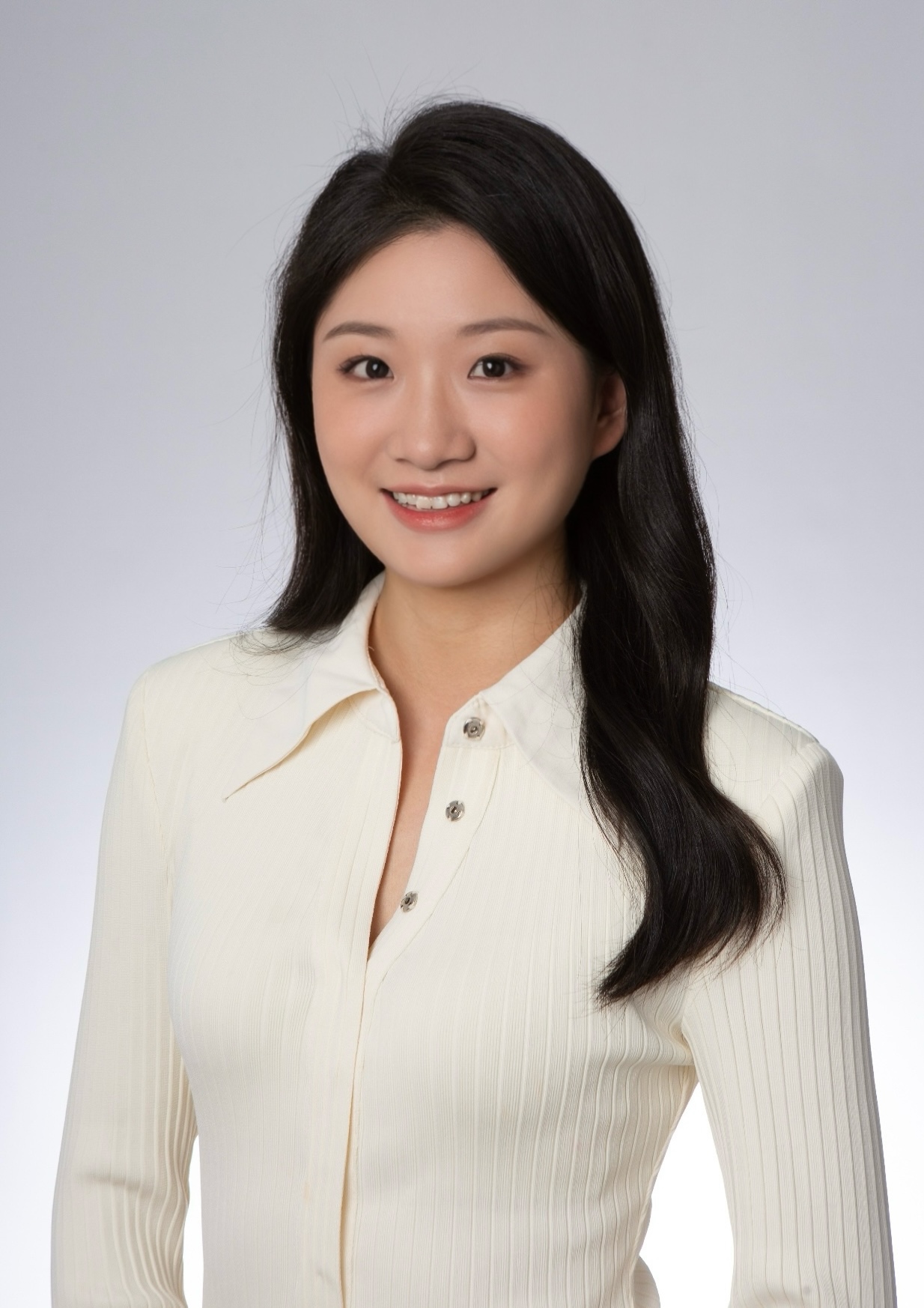
Ze-Di Lin is a Ph.D. student in the Department of Psychological and Cognitive Sciences at Tsinghua University. Her research focuses on multimodal neuroimaging studies of depression within the Mind Flower Project. She is interested in the neural mechanisms of depression, treatment response, and the evaluation of different intervention approaches using neuroimaging, cognitive-behavioral paradigms, questionnaires, and clinical interviews. Her recent work examines structural and functional brain alterations associated with depression and their clinical relevance. She also plans to explore neural dynamical models of thinking, with a particular interest in how thoughts unfold through the dynamic activity of the brain.
Master Students
Chen-Nan Wu

Wu is a graduate student in Prof. Yan's Lab. She received her bachelor's degree from the School of Psychology, Nanjing Normal University. Her research focuses on developing a Cognitive Experiments Standard Toolbox (CEST) for the Chinese population. The toolkit is designed to accurately assess multiple dimensions of brain cognition, including language, emotion, sustained attention, working memory, episodic memory, spatial ability, executive function, movement, and sensation. Through large-scale sampling across the country, her research aims to establish cognitive reference norms for the Chinese population. This initiative will provide a benchmark for comparing and interpreting individual cognitive test results, enabling accurate assessment of cognitive function. She is also interested in the neural mechanisms of cognitive changes in depression and the precise diagnosis and intervention of cognitive impairments.
Han-Lin Wang
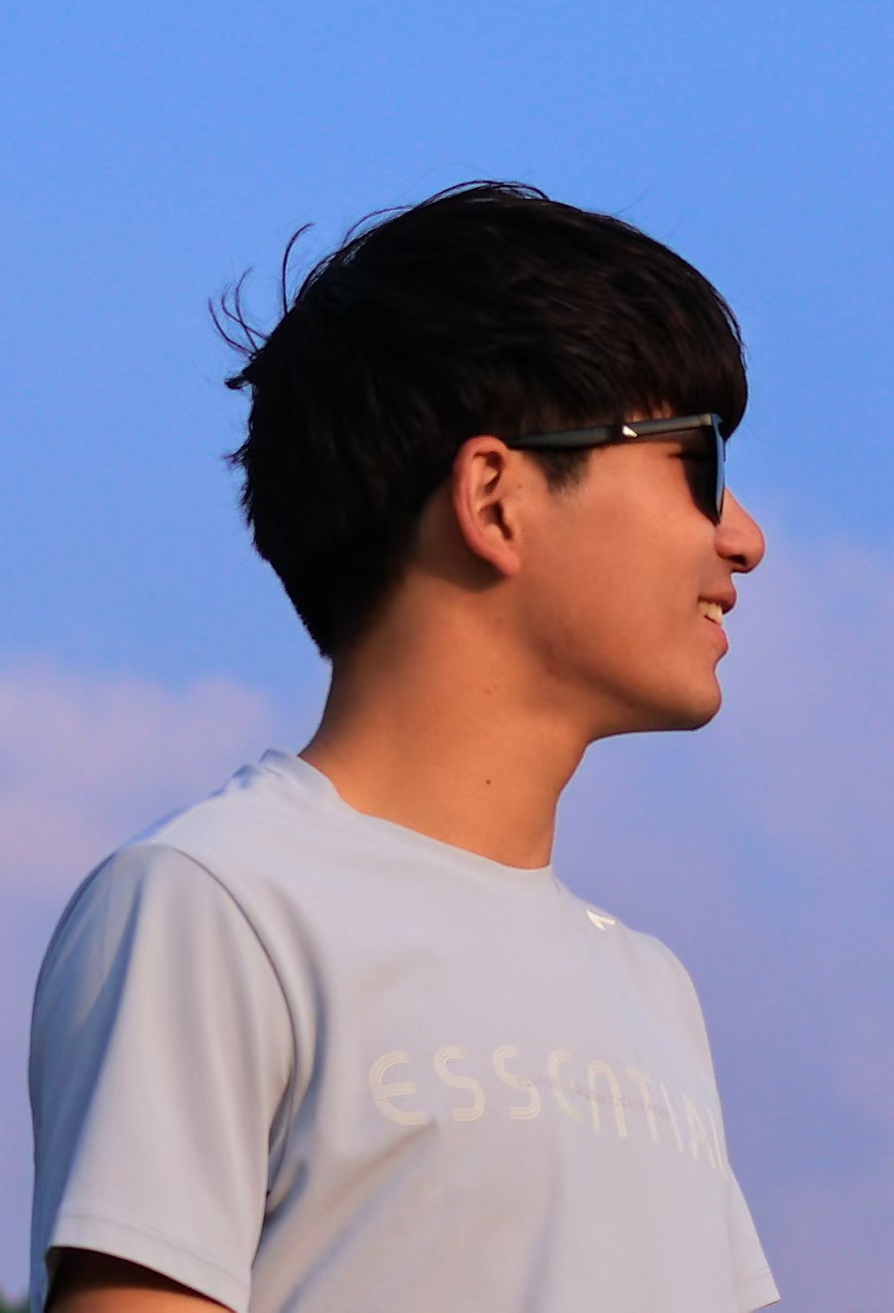
Han-lin is a graduate student in Prof. Yan's lab. He graduated from Capital Medical University in June 2023 with a focus on Biomedical Engineering. His work focused on using MRI brain imaging to measure the coupling relationship between brain structure and function, and explored its abnormal manifestations in diseases. Currently, his research has shifted towards investigating the brain circuits actually stimulated by TMS and explaining the variability in TMS treatment effects from the perspective of these circuits. The concept of the coupling between structure and function is also playing a role in the corresponding research.
Hai-Long Liu

Hai-Long is a postgraduate. student in Prof. Yan's lab at the Institute of Psychology, CAS. He graduated from the School of Psychology, Sichuan Normal University, and received a Bachelor's degree in Psychology in 2024. He has a keen interest in exploring the mechanisms and treatment of depression, especially understanding it from the perspective of brain mechanisms. He is concerned about the efficacy of psychotherapy for disorders such as MDD, and hopes to be able to better answer this question in the future using brain imaging techniques.
Wen-Yi Zhong

Wen-Yi is a graduate student in Prof. Yan's Lab. She graduated from Southern Medical University with a bachelor's degree in Biomedical Engineering. Her current research focuses on exploring the structural-functional coupling of the human brain using structural and resting-state functional MRI. Specifically, she investigates how this coupling manifests across various psychological states. Additionally, she is interested in applying deep learning models to enhance the clinical diagnosis of MDD.
Research Assitants
Yan-Rong Chen
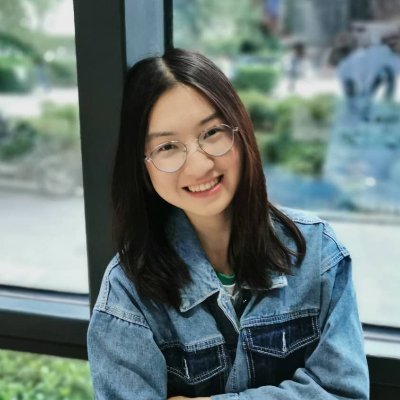
Yan-Rong Chen has been serving as a research assistant in Prof. Yan’s Lab since July 2023. She holds B.S. degrees in both Nursing and Psychology from Peking University and a Master’s degree in Developmental and Educational Psychology from South China Normal University. She is broadly interested in affective disorders, including their causes, differences between affected and unaffected individuals, and coping strategies. Her previous research, before joining the R-fMRI Lab, focused on the environmental and psychological mechanisms underlying mental health issues, during which she acquired research skills such as structural equation modeling and latent class/profile analysis. Her experience in the R-fMRI Lab broadened her research perspectives to include neuroscience and provided an excellent environment to develop related research skills. In the future, she aims to pursue a PhD in neuroscience or psychology to explore affective disorders from neural and biological perspectives and find ways to help individuals affected by these conditions.
Sicheng Chen
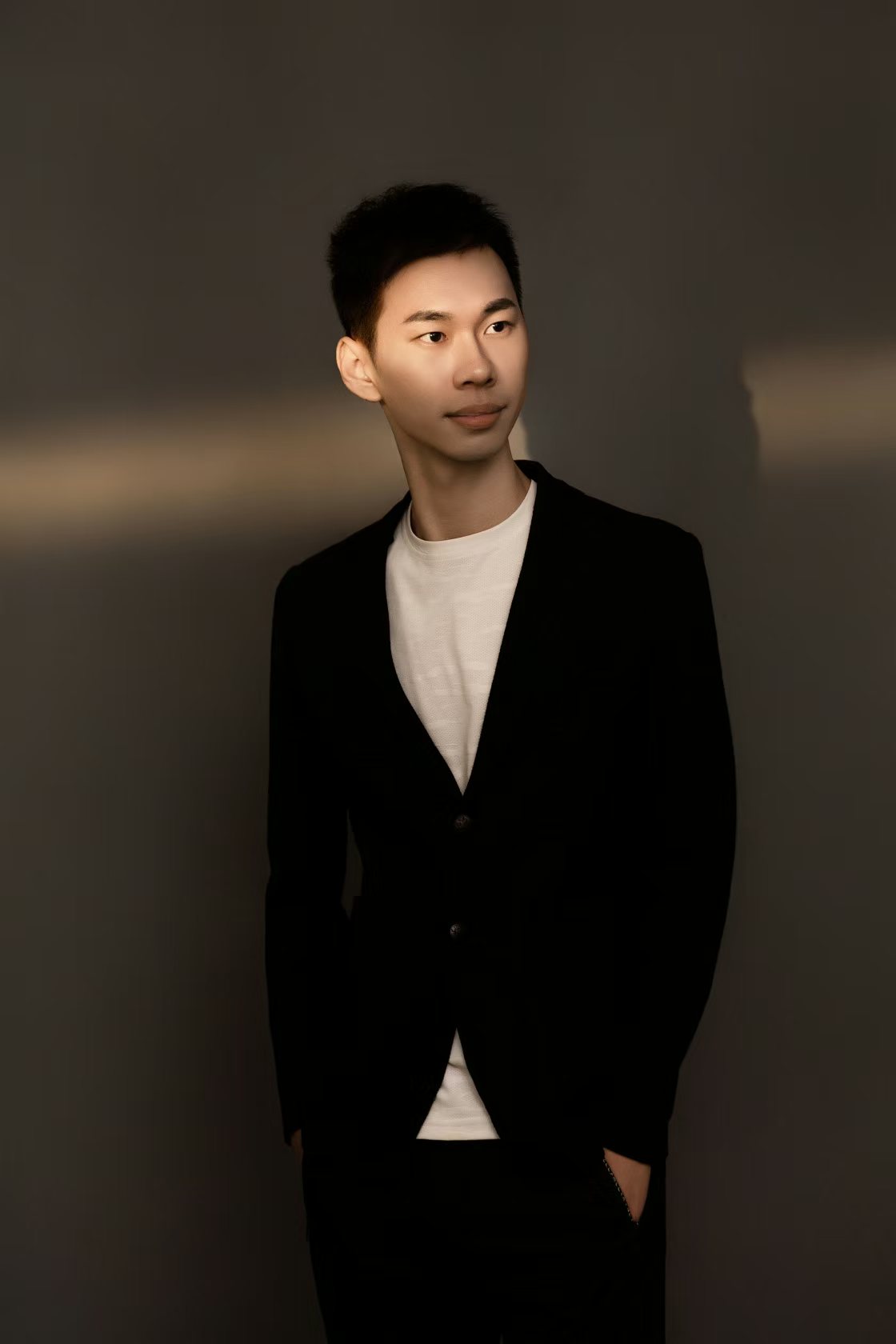
Sicheng Chen is a recent graduate with a Master's degree in Interdisciplinary Human Development from the University of Pennsylvania. He holds a Bachelor's degree in Psychology with a minor in Applied Mathematics from Emory University. His research interests lie in the intersection of psychology, education, and other interdisciplinary fields like neuroscience and counseling. With a keen interest in the nuances of mindfulness and positive beliefs, Sicheng has engaged in a variety of research projects and scholarly writings. His aspiration in the nexus of mental health and well-being is matched by his dedication to blending contemporary psychological methodologies with the rich tapestry of traditional Chinese cultural wisdom.
Xinyu Wang
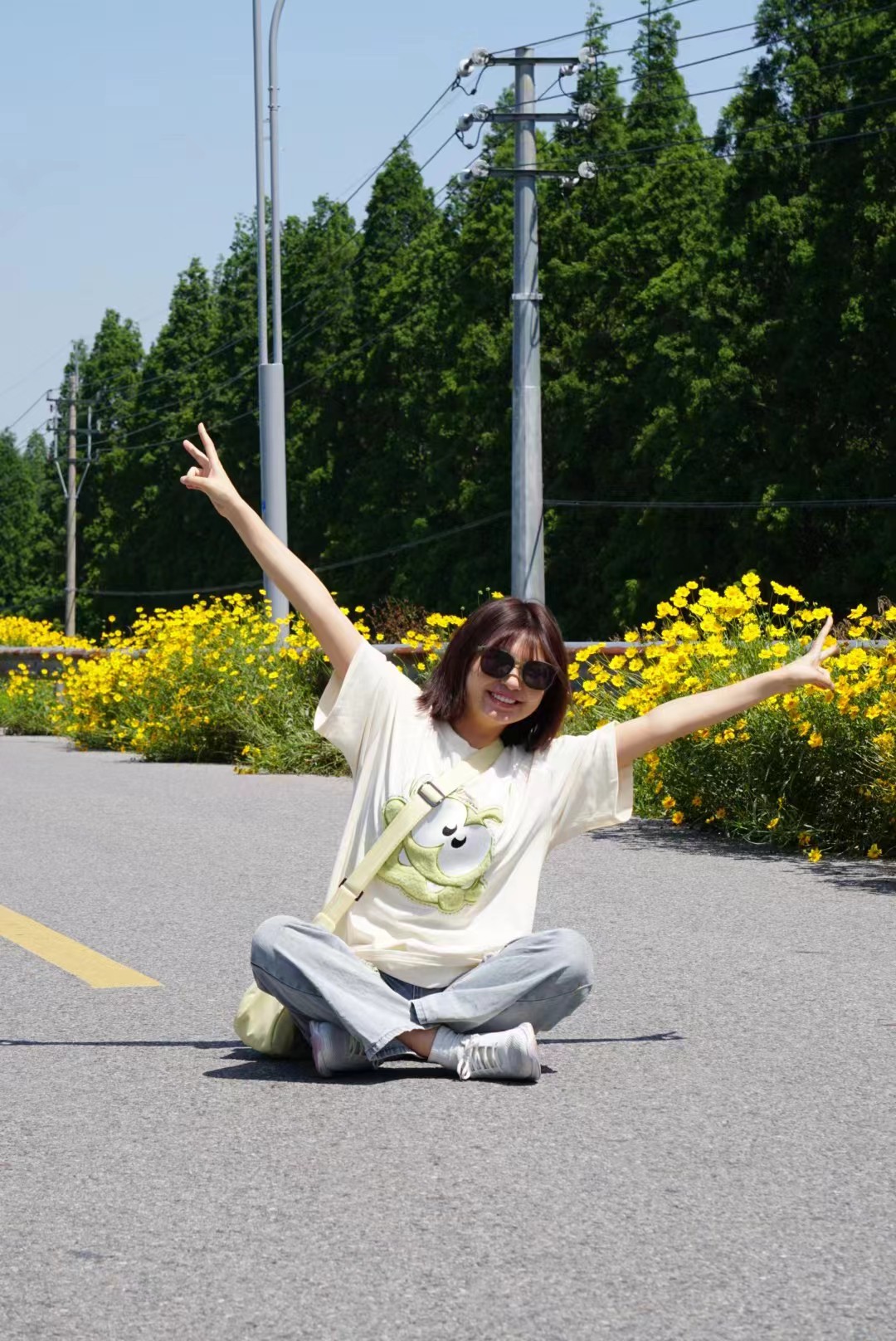
Xinyu Wang works as research assistant in Prof. Yan's lab in the Institute of Psychology, CAS. She received her bachelor's degree in Applied Psychology from Shandong University of Traditional Chinese Medicine and her master's degree from the School of Psychology at Nanjing Normal University. During her master's studies, she focused on social psychology. Although her future research direction is not yet defined, her current goal is to understand the principles and analytical foundations of brain imaging technology while exploring her future research interests.
Yong-heng Hu
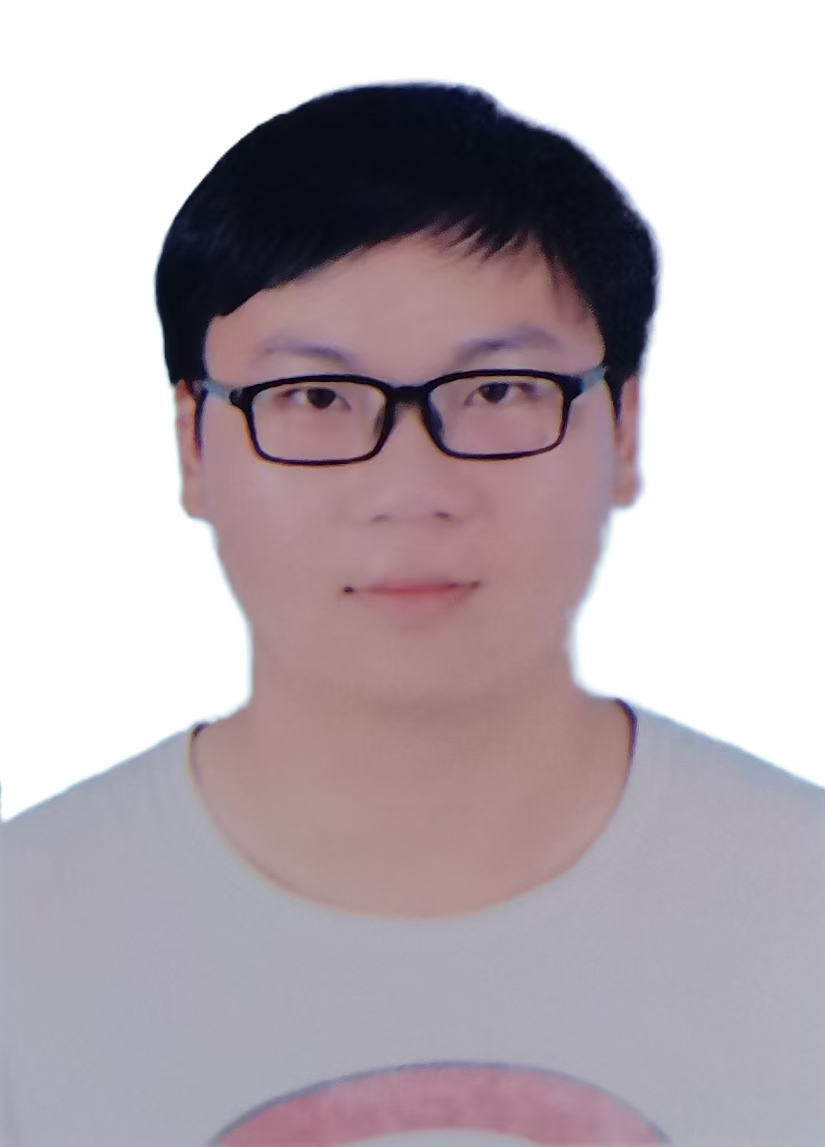
Yong-Heng Hu is a research assistant in Prof. Yan's lab at the School of Psychology and Cognitive Science, Tsinghua University. He received his bachelor's degree from the School of Teacher Education, Nanjing Xiaozhuang University. In his previous research experience, he focused on studying the interactive experience of information generation by large language models through cognitive modeling. He is interested in computational neuroscience and the intersection of dialectical thinking and neuroimaging and expects to delve into the physiological mechanisms behind these cognitive principles.
Intern students
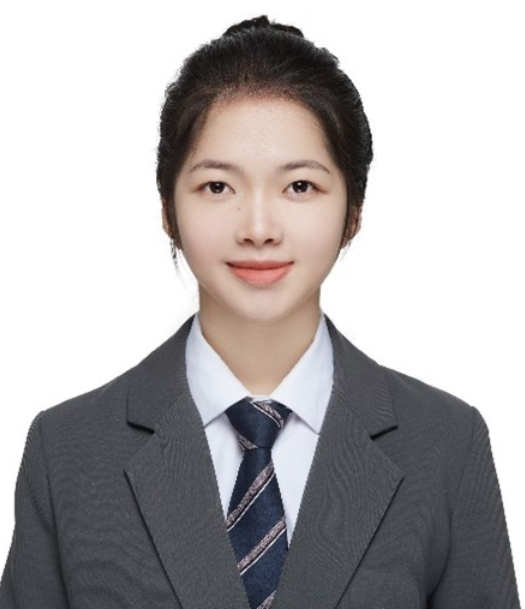
Xin-Ping Li
Alumni
Yu-Wei Wang
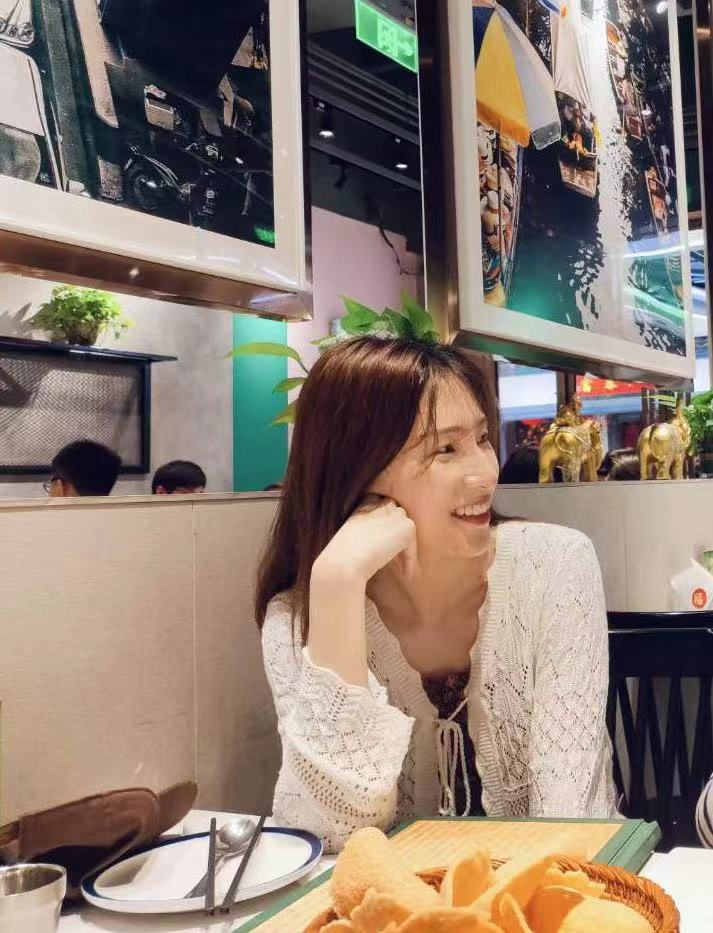
I am Wang Yu-Wei. I completed my undergraduate studies in Electrical Engineering at Tianjin University and later studied neuroimaging at The RfMRI Lab. Got my Ph.D. Degree in 2024 July and heading for Yale for postdoc.
Hui-Xian Li

Hui-Xian was a doctoral student in Prof. Yan’s Lab.
Zhao-Yu Deng
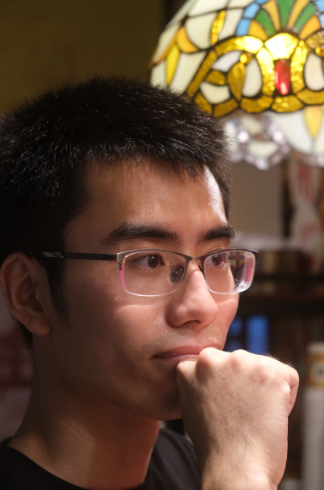
Zhao-Yu was a graduate student in Prof. Yan's Lab.
Shi-Xian Cui
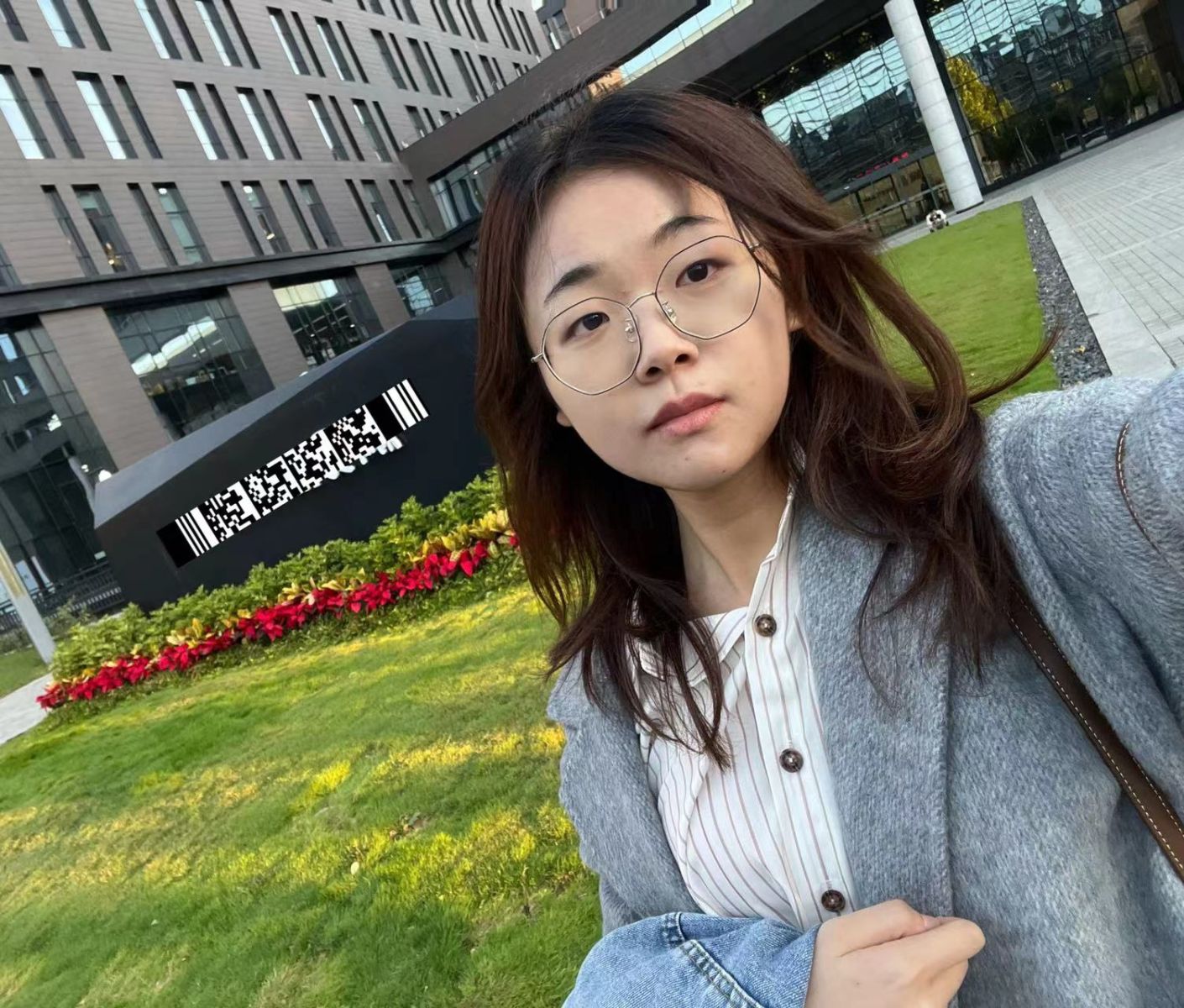 Shi-Xian was a graduate student in Prof. Yan's Lab.
Ning-Xuan Chen
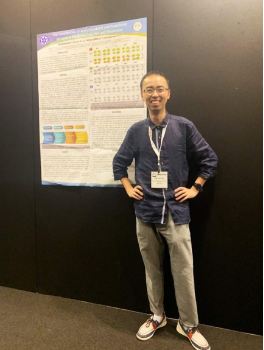
Ning-Xuan was a doctoral student in Prof. Yan’s Lab. Now working at Capital Normal University.
Zhi-Chen Zhu
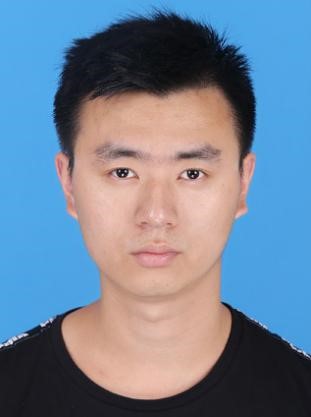
Zhi-Chen was a graduate student in Prof. Yan's Lab.
Le Li
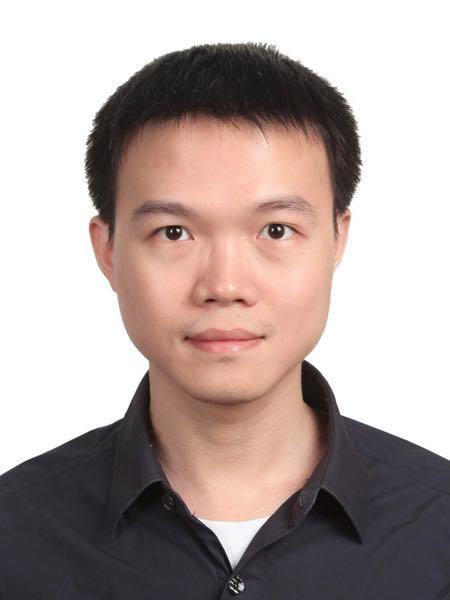
Le Li was a postdoctoral researcher in Prof. Yan's Lab. Now working in Center for the Cognitive Science of Language, Beijing Language and Culture University.
Main Research Field: Language-cognitive neuroscience, Second language acquisition and cognitive processing, Characterization and processing mechanisms in Chinese and English.