
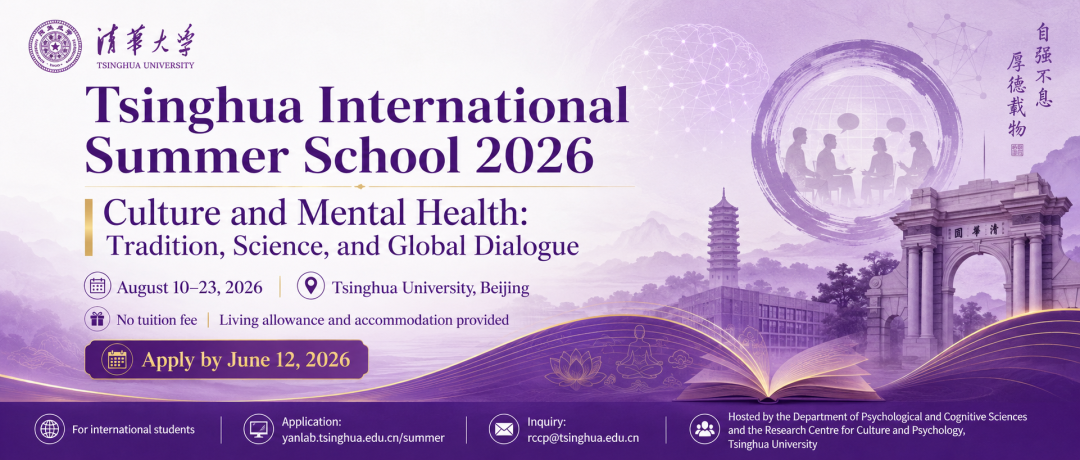
No tuition fee | Living allowance and accommodation provided | Apply by June 12, 2026

A Call to Students Who Want Psychology to Travel Further
At Tsinghua University in Beijing, participants will spend two intensive weeks exploring how traditional Chinese thought, contemporary psychological science, neuroscience, public health, and global dialogue can meet. The program invites students not only to learn about culture and mental health, but also to experience how ideas become practices, how practices become evidence, and how evidence can return to the work of human flourishing.
The theme for 2026 is "Culture and Mental Health: Tradition, Science, and Global Dialogue." It is designed for international students who want to ask bigger questions, listen across cultures, and build research and intervention ideas that are rigorous, compassionate, and globally relevant.
Why This Program Is Different
A rare intellectual bridge
Participants will connect cultural psychology, positive psychology, medical anthropology, contemplative and mind-body traditions, clinical science, brain imaging, and digital methods.
A living cultural classroom
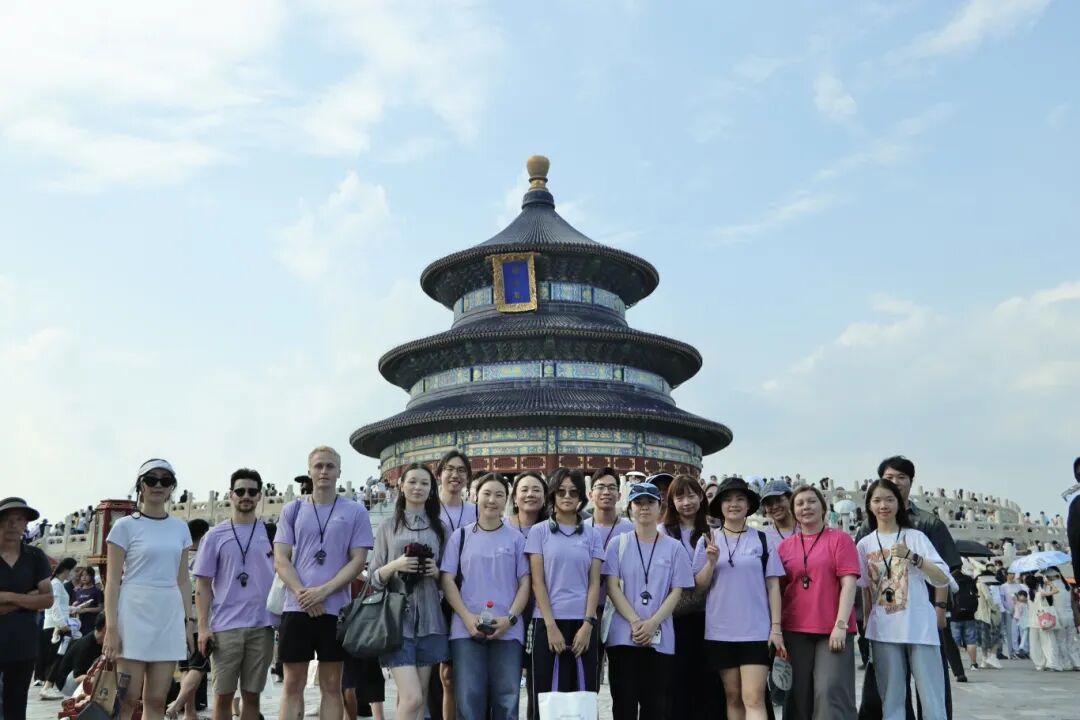
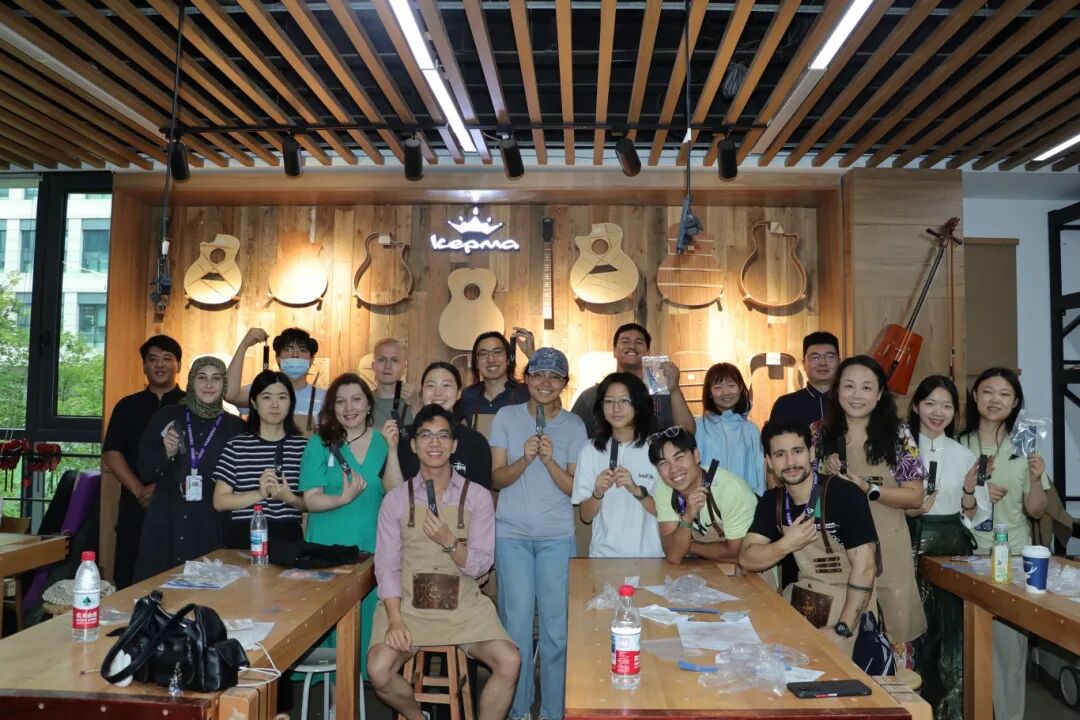
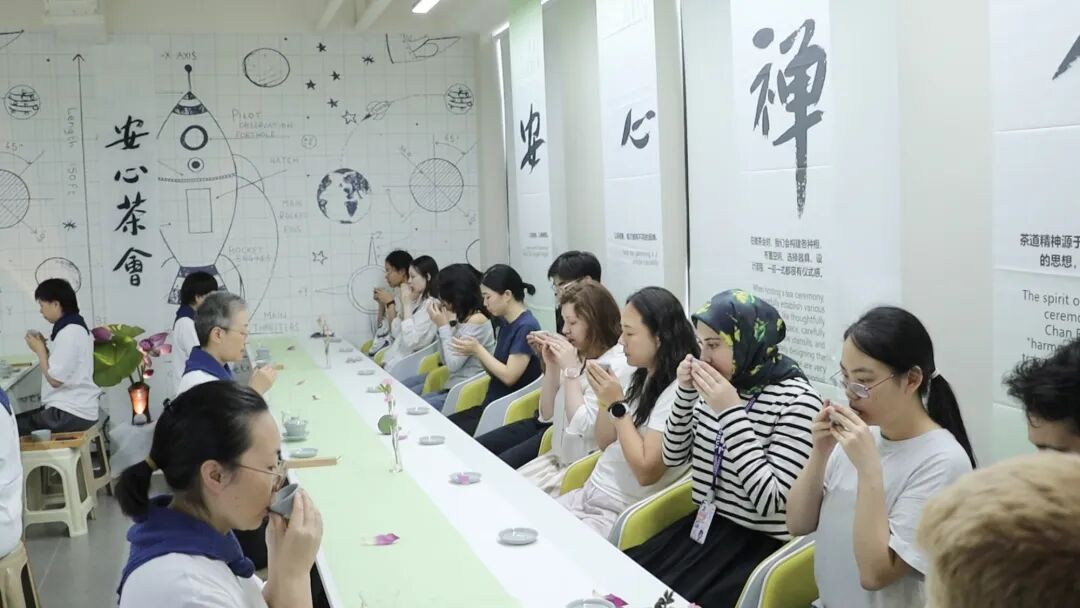
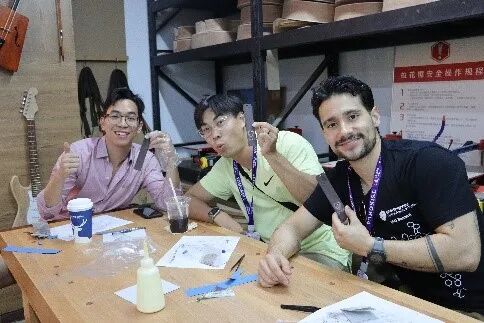
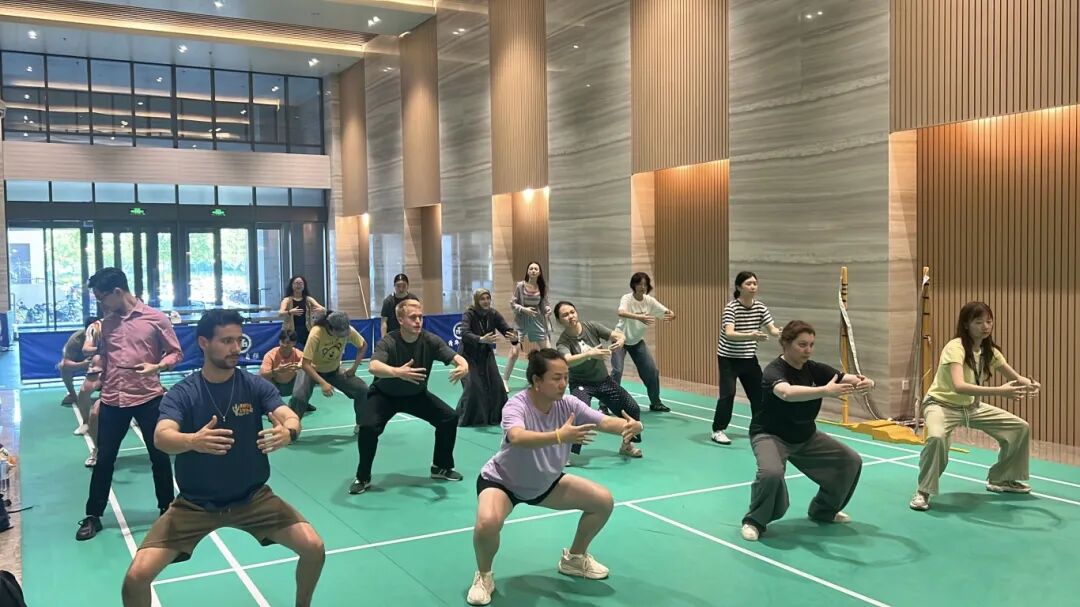
Beijing and Tsinghua will become part of the curriculum through field visits, heritage workshops, and embodied practices such as Tai Chi.
A collaborative research journey
Students will work in diverse teams guided by teaching assistants and faculty, using Appreciative Inquiry to turn real-world questions into research proposals, intervention designs, or public communication projects.
A launchpad for future work
Outstanding final projects may be considered for further research incubation or practical development.
Featured Scholars and Lecturers
Participants will learn from an exceptional group of scholars whose work spans psychology, anthropology, religious studies, psychiatry, neuroscience, and Chinese cultural traditions. The speaker roster is expected to include:
- Prof. Kaiping Peng: a leading scholar of positive psychology, social psychology, and cultural psychology at Tsinghua University. His work connects scientific psychology with human well-being and the contemporary renewal of Chinese psychological thought.
- Prof. Jing Jun: a distinguished medical sociologist and anthropologist at Tsinghua University, known for work on public health, medical anthropology, historical memory, HIV/AIDS, suicide, and the social worlds in which suffering and care take shape.
- Prof. Sheng Kai: a leading scholar of Buddhist philosophy, Chinese Buddhist history, and religious studies at Tsinghua University. His work on Buddhist concepts, ritual life, faith, emotion, and the social history of Chinese Buddhism brings an important perspective on contemplative traditions, ethical cultivation, and the lived practices through which ideas of mind and self-transformation take cultural form.
- Prof. Weirong Shen: a renowned scholar of Tibetan Buddhism, Sino-Tibetan Buddhist history, and cross-cultural humanities, bringing a deep historical perspective on how traditions of mind, ethics, and practice travel across cultures.
- Prof. Xiangyang Zhang: Xinghua Chair Professor at Tsinghua University and Chief Scientist for Mental Health at the Chinese Academy of Sciences, whose clinical and neuroscientific research bridges psychiatry, brain mechanisms, and culturally rooted psychological therapies.
- Prof. Chao-Gan Yan: professor at Tsinghua University and an internationally recognized researcher in brain imaging, computational methods, and precision diagnosis and targeted intervention for depression.
Together, these scholars will help participants see mental health not as a single discipline, but as a meeting place: between brain and society, tradition and evidence, personal experience and collective life.
What You Will Experience
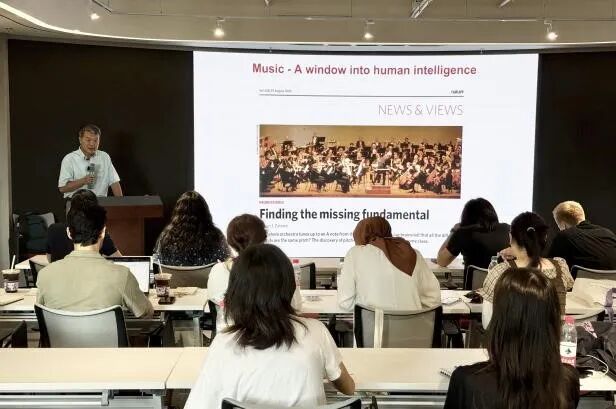
- Lectures and dialogues: intensive sessions on cultural psychology, positive psychology, psychological insights from traditional Chinese culture, medical anthropology, mental health, neuroscience, behavioral research, neuroimaging, and digital technologies.
- Experiential learning: hands-on cultural activities, intangible cultural heritage workshops, traditional mind-body practices, and guided visits to cultural sites that reveal how ideas about the self, relation, balance, and care are lived.
- Group inquiry: cross-cultural teams will identify a real-world issue at the intersection of culture and mental health, refine the question, gather perspectives, and design a research or application-oriented response.
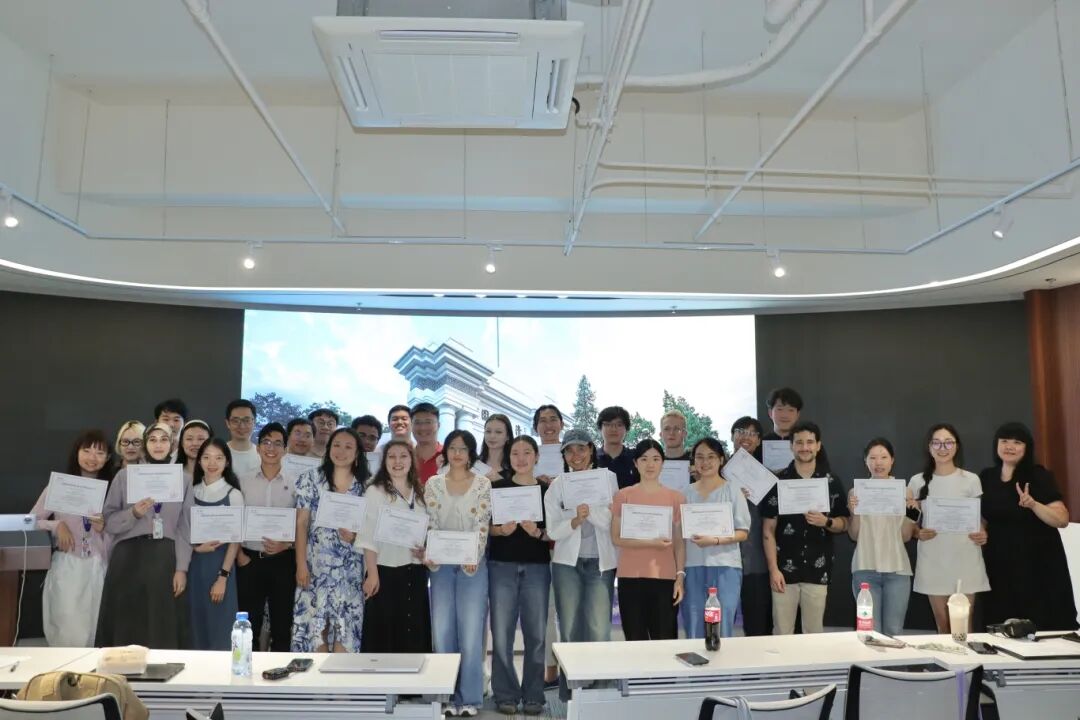
- Final presentation: each team will present its project to faculty members and receive feedback. Excellent projects may move forward into deeper research or practical incubation.
By the end of the two weeks, participants should leave with a sharper research question, a stronger cross-cultural vocabulary, new collaborators, and a more generous imagination of what mental-health science can become.
Who Should Apply
The program welcomes outstanding non-Chinese international students who are curious, academically motivated, and ready to learn in a multicultural setting. Applicants are expected to meet the following criteria:
- Eligibility status: applicants must be non-Chinese citizens and currently enrolled in universities outside mainland China, or not holding student status at a Chinese institution.
- Academic background: undergraduate and graduate students, as well as recent graduates, are welcome. Students from psychology, neuroscience, social sciences, humanities, public health, medicine, education, design, and related interdisciplinary fields are especially encouraged to apply.
- Academic interest: applicants should have a strong interest in cultural psychology, mental health, cross-cultural research, Chinese culture, or related topics.
- English proficiency: the program will be conducted primarily in English. Participants should be able to engage actively in lectures, discussions, group work, and presentations.
- Commitment: participants are expected to attend all lectures, experiential sessions, group projects, and final presentations.
- Intercultural openness: applicants should be ready to listen generously, collaborate across differences, and contribute to a respectful learning community.
- Passport requirement: applicants must hold a valid ordinary passport and meet the entry and visa requirements for travel to China.
Admission decisions will be based on a holistic evaluation of academic background, motivation, intellectual curiosity, and potential contribution to the program community.
Tuition, Support, and Participant Costs
There is no tuition fee for this program.To support admitted students during the summer school, Tsinghua University will provide:
- Living allowance: a stipend to support basic dining needs at university cafeterias during the program.
- Accommodation: housing arranged on campus or in nearby facilities.
Participants are responsible for international travel to and from China, visa application and related fees, personal expenses, insurance if required, and any costs not specified above.
Application
Application form:
https://yanlab.tsinghua.edu.cn/summer
Inquiry email:rccp@tsinghua.edu.cn
Application deadline:June 12, 2026, 23:59 Beijing Time
Applicants should complete and submit all application materials before the deadline. Late applications will not be considered.
Come to Beijing with a Question.Leave with a Direction.
Click https://yanlab.tsinghua.edu.cn/summer to Apply
Hosted by the Department of Psychological and Cognitive Sciences
and the Research Centre for Culture and Psychology, Tsinghua University